
How Conspiracy Theories Offer Belonging to the Alienated
In an increasingly complex and fragmented world, feelings of alienation—a profound sense of disconnection from society, institutions, or community—have become a common psychological wound.

Finding Your Anchor: How to Discover a Supportive Community in Times of Doubt
Doubt, in its many forms, can be one of the most isolating human experiences.

Transforming Doubt into a Catalyst for Stronger Team Projects
When a team member openly doubts a project’s goal, the initial reaction can range from defensiveness to frustration.

Why Distinguishing Between Skepticism and Denial Matters for Progress
In an age of information overload and polarized discourse, the lines between healthy inquiry and outright rejection of evidence have become dangerously blurred.

The Collective Compass: How Community Guides Us Through Self-Doubt
Self-doubt is a universal human experience, a whispering voice that questions our capabilities and worth.

The Process Paradox: Can a Focus on Method Blind Us to Results?
In the landscape of personal and professional development, the mantra of “focus on the process, not the outcome” has become a near-universal prescription for sustainable success and reduced anxiety.

The Art of Finding Constructive Critics: A Guide to Intellectual Growth
In a world increasingly shaped by echo chambers and algorithmically curated agreement, the pursuit of people who will challenge your ideas constructively is not merely a social exercise—it is a...

Building Unshakeable Confidence: A Guide to Overcoming Self-Doubt
The persistent whisper of self-doubt is a universal human experience, a shadow that can dim our brightest ambitions and silence our most authentic voices.

The Psychological Link Between Trauma, Powerlessness, and Conspiracy Beliefs
In an era marked by global uncertainty and digital information overload, conspiracy theories have found fertile ground.

Ancient Philosophers and the Seeds of Religious Doubt
The religious landscape of the ancient world was predominantly one of myth, ritual, and unquestioned tradition.

The Leader’s Guide to Navigating Team Doubt
Doubt within a team is an inevitable and often uncomfortable reality, manifesting as uncertainty about a project’s direction, skepticism toward a new strategy, or a lack of confidence in collective abilities.

The Generative Spark of Doubt: Questioning the Path to Innovation
Doubt, often maligned as a corrosive force that undermines confidence and paralyzes action, is in fact a vital and indispensable engine for creativity and innovation.

How Conquering Doubt Unlocks the Path to True Innovation
Innovation is universally celebrated as the engine of progress, yet its genesis is often misunderstood.

Navigating Historical Conversations: Bridging the Gap with Empathy and Evidence
Attempting to communicate with someone who doubts a well-established historical fact, such as the Holocaust, the moon landing, or the historical figure of Jesus of Nazareth, can feel like a...

The Paradox of Trust: Why We Question Ourselves Yet Believe in Others
We have all experienced the internal tug-of-war: after making a careful decision, a single offhand comment from a colleague can send us into a spiral of second-guessing.

The Psychology Behind Clinging to Harmful Beliefs Against All Evidence
The human mind is not a purely logical machine; it is a complex tapestry woven from emotion, identity, and social connection.

How to Help Someone Overcome Paralyzing Self-Doubt
Witnessing someone you care for become immobilized by their own self-doubt is a profoundly frustrating and painful experience.
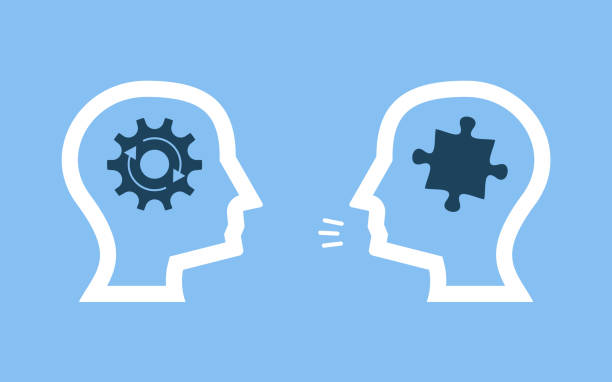
Embracing Uncertainty: How Doubt Can Forge Deeper Connections
Doubt is often perceived as a corrosive force in relationships, a silent saboteur that erodes trust and creates distance.

How Doubt Can Be the Catalyst for a Deeper Spiritual Life
In many religious traditions, doubt is portrayed as the antithesis of faith, a shadowy weakness to be overcome.

The Unshakable Mindset: How to Thrive Amidst Doubt and Criticism
In the journey toward any meaningful goal, encountering doubters is not a possibility but a certainty.

The Fertile Ground of Doubt: How Questioning Fuels Personal Growth
Doubt is often cast as the enemy of progress, a shadowy force that undermines confidence and paralyzes action.

The Balanced Mind: Recognizing the Signs of Healthy Self-Doubt
In a culture that often equates confidence with competence and certainty with strength, self-doubt is frequently branded a weakness, a psychological flaw to be eradicated.

How Embracing Doubt Can Sharpen Your Critical Thinking
Doubt, often perceived as a weakness or a state of indecision, is in fact a powerful catalyst for intellectual growth.

Cultivating Confidence: Supporting a Team Member Through Self-Doubt
In the collaborative ecosystem of a modern workplace, the success of a team hinges not only on individual skill but on collective psychological well-being.