
The Double-Edged Sword of Comparison: Finding Self-Worth Beyond Others
Comparison is a fundamental mechanism of the human mind, an ancient cognitive tool hardwired for survival and navigation within social hierarchies.


How Doubters Become Your Greatest Unexpected Asset
In any pursuit worth undertaking, from launching a creative project to advocating for change within an organization, encountering doubters is inevitable.
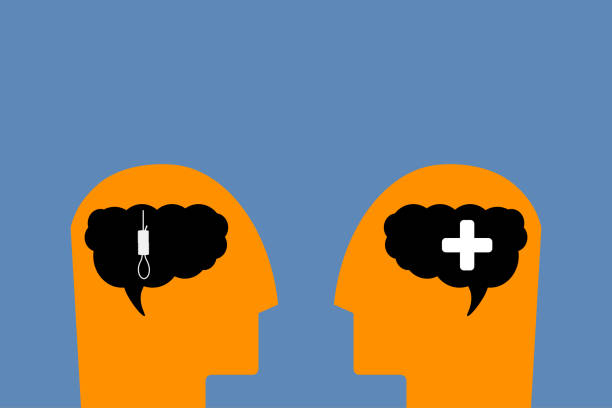
The Silent Erosion: How Doubt Manifests in Relationships and the Thought Patterns That Feed It
Doubt in relationships operates as a silent, corrosive force, often manifesting not in dramatic confrontations but in the quiet spaces between interactions.
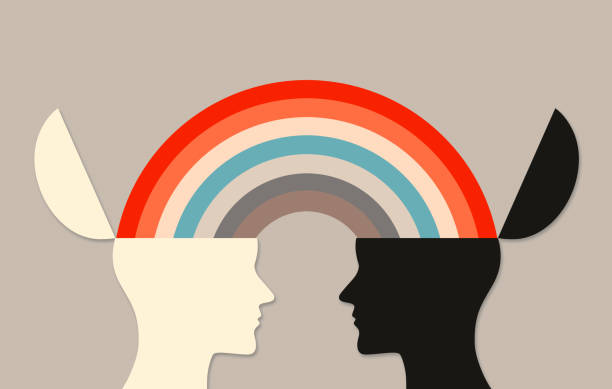
The First Step When Confronted With a Conspiracy Theory
In an age of digital whispers and algorithmic amplification, conspiracy theories have moved from the shadowy fringes to the center of everyday discourse.

Knowing When to Step Back: The Art of Timely Disengagement
The modern world celebrates persistence, urging us to fight for every relationship, endure every hardship, and pursue every goal with relentless grit.
The Fragile Self: Neuroscience and Philosophy Question the “I”
The feeling of being a unified, continuous self—an “I” that experiences, decides, and exists behind our eyes—is perhaps our most intimate certainty.

How Social Identity Fuels the Spread of Conspiracy Theories
In an era of fragmented information and deepening societal divides, conspiracy theories have moved from the fringes to the mainstream.

When Doubting Others Reveals Our Inner Turmoil
The impulse to doubt others is a common human experience, a necessary filter for navigating a complex social world.

How Doubt Has Shaped a Better World: Historical Catalysts for Progress
Throughout history, the act of doubting established truths has often been stigmatized as heresy or rebellion.


The Success Paradox: Why Achievement Doesn’t Silence Self-Doubt
It is a quiet, unsettling paradox of the human experience: the applause fades, the achievement is secured, and yet, a familiar, critical whisper persists within.

Healthy Doubt vs. Cynical Disbelief: The Historical Skeptic’s Balance
The pursuit of truth has always been shadowed by the question of how to question.

Balancing Conviction and Openness: Maintaining Beliefs Without Dogmatism
The desire to hold firm beliefs is a fundamental part of the human experience, providing us with identity, purpose, and a moral compass.

The Vital Spark: How Doubt Propels Science Forward
To the uninitiated, science can appear as a monolithic edifice of settled facts, an unassailable fortress of knowledge built by geniuses of the past.

How Setting Boundaries with Doubters Forges Unshakeable Confidence
The journey toward personal growth and ambition is rarely a solitary one, yet it is often populated with voices that question, undermine, or dismiss our goals.

The Roots of Rejection: Understanding Vehement Doubt in Expert Consensus
In an age defined by unprecedented access to information, a paradoxical trend has emerged: the vehement rejection of expert opinion.

The Unseen Barrier: How Questioning Common Sense Fuels True Progress
Common sense and tradition are the bedrock of human society, offering a comforting map through the complexities of life.

Are Conspiracy Theorists Generally Less Intelligent?
The image of the conspiracy theorist as a gullible simpleton is a persistent stereotype in popular culture.
How Mental Visualization Rewires Your Brain to Overcome Doubt
Doubt, that insidious whisper of uncertainty, can paralyze ambition and stifle growth.

How Healthy Skepticism Towards Others Fuels Self-Discovery
Doubt is often painted in a negative light, a corrosive force that erodes trust and fractures relationships.
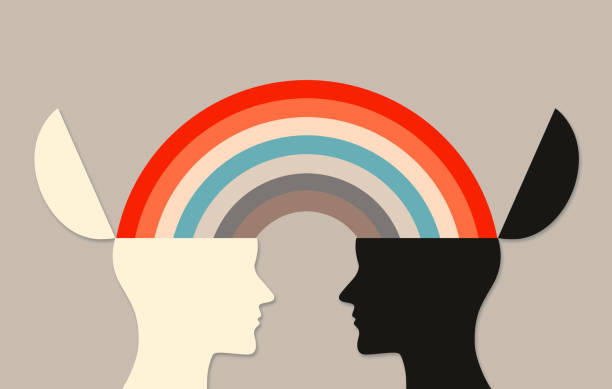
Finding Confidence in Community: How Others Help Us Overcome Self-Doubt
Self-doubt is a quiet storm that rages within, a whispering voice that questions our worth, our abilities, and our place in the world.

When Doubts Become Debilitating: Navigating Anxiety and Paralysis
Doubt is an intrinsic part of the human experience, a necessary counterweight to blind certainty that can foster critical thinking and careful decision-making.

The Hidden Drivers: Understanding the Psychological Needs Behind Conspiracy Theories
Conspiracy theories, from tales of clandestine government plots to explanations for global events that defy official narratives, are a persistent feature of the modern landscape.