
Turning Skepticism into Success: Using External Doubt as Motivational Fuel
The sting of external doubt is a universal human experience.

The Unconventional Path: Why Healthy Skepticism Towards Career Advice Can Lead to Success
In a world saturated with motivational speakers, viral LinkedIn posts, and a multi-billion dollar self-help industry, popular career advice has become a ubiquitous soundtrack to professional life.

When to Heed Your Doubt: The Wisdom of Listening to Inner Uncertainty
Doubt is often cast as the antagonist in our personal narratives of ambition and growth, a shadow to be dispelled by the bright light of affirmation.

Navigating Resistance: How to Respond When Challenging a Deeply Held Tradition
Challenging a deeply held tradition is an act that requires both courage and conviction, often placing one in the precarious position of facing doubt, skepticism, and sometimes outright hostility.

The Essential Role of Skeptics in Shaping a More Ethical World
Throughout history, the narrative of moral progress is often framed as the triumph of courageous visionaries over ignorant masses.

Transforming Self-Doubt into a Tool for Growth
Self-doubt is a universal human experience, a quiet whisper that questions our capabilities and worth at the very moments we need confidence most.

Cultivating a Productive Space for Questions
The act of questioning is the engine of progress, driving innovation in science, deepening understanding in classrooms, and forging stronger connections in personal relationships.

Navigating Team Dynamics: When a Doubter Undermines Morale
In the intricate ecosystem of a team, morale is the invisible currency that fuels collaboration, innovation, and resilience.

The Unshakeable Confidence Forged by the Scientific Method
In a world awash with misinformation, conflicting claims, and emotional rhetoric, a sense of certainty can feel like a rare commodity.

The Gentle Anchor: How Self-Compassion Steadies Us Amidst Doubt
Doubt about our deepest beliefs and worldview is an unsettling, often frightening, experience.
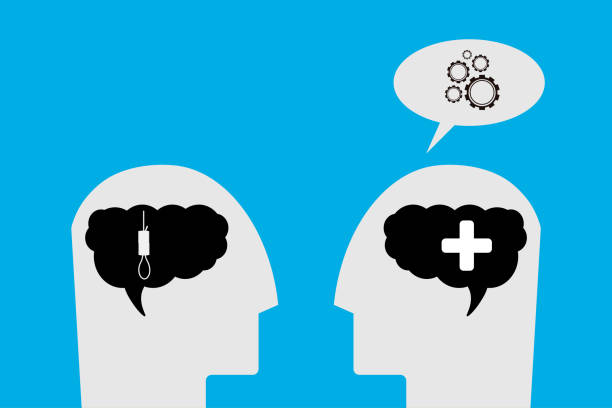
Navigating Doubt: A Thoughtful Response When Beliefs Are Challenged
When someone questions our deeply held beliefs, the initial reaction is often visceral—a surge of defensiveness, a tightening in the chest, a flush of emotion that demands a swift and forceful rebuttal.

How to Rebuild Confidence After Public Doubt or Failure
The sting of public doubt or the weight of a failed idea can feel like a personal earthquake, shaking the very foundation of your confidence.

The Lingering Shadow: How Betrayal Reshapes Our Capacity for Trust
The human capacity for trust is a fragile bridge built over the chasm of uncertainty, allowing for deep connection and vulnerability.

How to Respond When Someone Constantly Doubts Your Abilities
Facing persistent doubt from others, whether from a colleague, family member, or friend, is a profoundly disheartening experience.

The Harmonious Pursuit: Balancing Self-Compassion with High Standards
The drive to excel is a powerful engine for achievement, propelling us toward mastery and meaningful goals.

The Empathetic Anchor: How Understanding Dissolves Team Doubt
In the dynamic landscape of team management, doubt is an inevitable visitor.

How Questioning Conspiracy Theories Can Sharpen Your Critical Thinking
In an age of information overload, where sensational claims can spread globally in seconds, the ability to think critically is not just an academic skill but a necessary life raft.
Navigating Workplace Gossip: Should You Confront a Colleague Spreading Doubt?
The discovery that a colleague is sowing doubt about you behind your back is a uniquely unsettling professional experience.

When to Correct a Child’s Mistaken Belief
In the delicate ecosystem of a young mind’s development, beliefs form the bedrock of understanding.

The Resilience of Shared Belief: Unity in the Face of Doubt
Shared belief, whether in a community, a movement, or an organization, functions as the invisible mortar binding individuals together, providing purpose, identity, and collective strength.
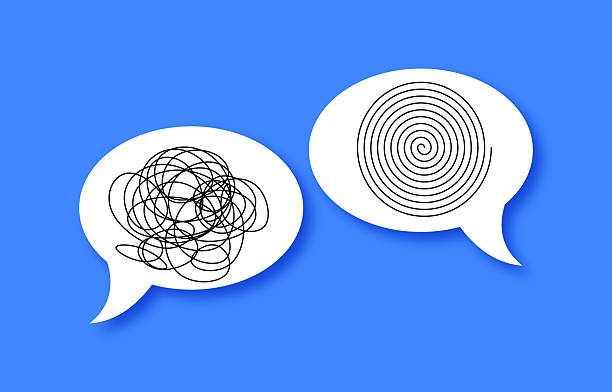
How Embracing Doubt Can Forge Deeper and More Authentic Connections
Doubt is often cast as the villain in the narrative of human relationships, a corrosive force that erodes trust and breeds insecurity.
The Empathetic Power of Questioning: How Doubt Bridges the Human Divide
We often consider doubt a corrosive force, a weakness that undermines conviction and stalls action.

Doubting Experts and Critical Thinking: Navigating the Line Between Skepticism and Denial
The relationship between critical thinking and the authority of experts is a complex and often contentious one in modern discourse.

The Unlikely Alliance: How Doubt Strengthens True Confidence
At first glance, doubt and decisive action appear to be natural adversaries.