From Frozen to Focused: Taking the First Step Past Doubt
Doubt is the silent saboteur of potential, a fog that rolls into the mind and obscures the path forward.

Harnessing Doubt: The Unlikely Foundation of Critical Thinking
Doubt is often perceived as a weakness, a state of intellectual paralysis that hinders decisive action.
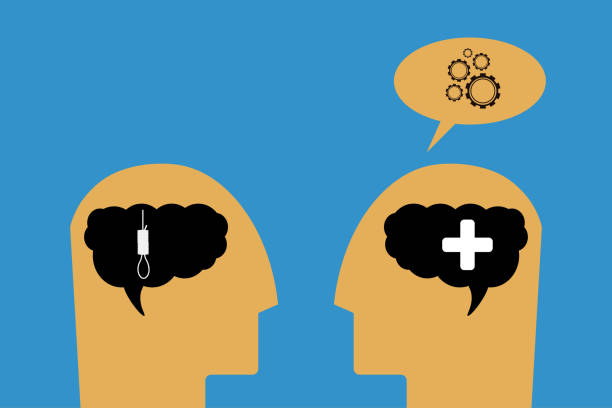
The Unseen Bridge: How Doubt Cultivates Deeper Empathy and Stronger Bonds
In a world that often prizes unwavering conviction and decisive certainty, doubt is frequently cast as a weakness—a corrosive force that undermines confidence and stalls progress.

The Enlightenment’s Transformative Impact on Religious Criticism
The Enlightenment, an intellectual and philosophical movement spanning the seventeenth and eighteenth centuries, fundamentally reshaped the landscape of Western thought.

The Quiet Strength: How Humility Transforms Doubt from Enemy to Ally
In the landscape of human experience, doubt is an inevitable terrain.
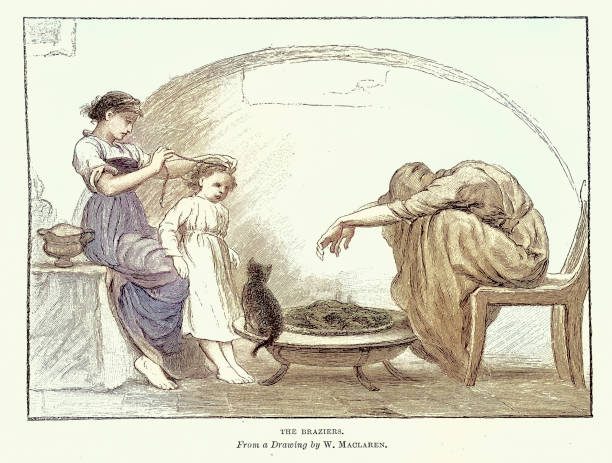
Understanding Historical Doubters: Questioning the Past to Shape the Present
Historical doubters are individuals or groups who critically challenge, and often outright reject, the established narratives of history as presented by mainstream academic consensus, cultural...

How to Respond When Your Child Expresses Doubt: A Guide to Supportive Parenting
When a child voices doubt, whether about their abilities, a belief, or a situation, they are engaging in a critical developmental process.

The Critical Distinction: Healthy Skepticism vs. Science Denial
In an age of information overload and competing claims, the ability to question is more vital than ever.
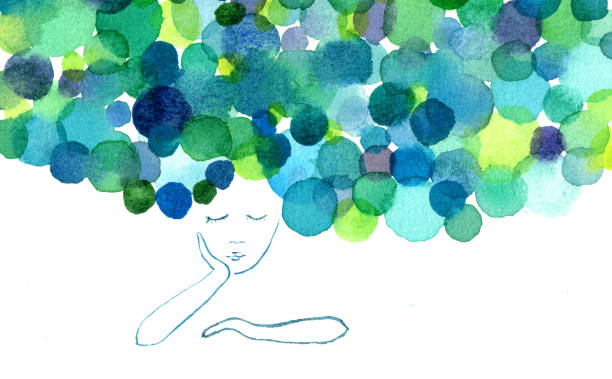
How Distorted Thinking Fuels the Flames of Negative Doubt
The human mind is a powerful tool for navigating the world, yet it is also a masterful creator of its own obstacles.

The Double-Edged Sword of Certainty: Is Absolute Knowledge Possible or Desirable?
The human quest for certainty is a powerful and enduring drive, a beacon guiding us through the fog of a complex and often chaotic world.

The Inner Compass: How Emotional Awareness Guides Us Through Doubt
Doubt is an inescapable companion on the path of decision-making and self-development.

The Fine Line: Distinguishing Conspiracy Theories from Legitimate Conspiracies
In an age saturated with information and misinformation, the terms “conspiracy theory” and “conspiracy” are often conflated, leading to confusion and rhetorical mudslinging.

Trusting Your Gut: Distinguishing Intuition from Insecurity in Relationships
The quiet whisper in your mind questioning a partner’s behavior is a universal human experience, yet deciphering its origin is profoundly challenging.
The Vital Distinction: Healthy Skepticism Versus Corrosive Cynicism
In an age saturated with information and misinformation, the ability to question is not just an intellectual asset but a necessity for navigating the world.

The Social Value of Questioning Popular Stories
In an age of instant information and entrenched narratives, the act of doubting mainstream accounts is often swiftly condemned as contrarian, conspiratorial, or even dangerous.
What If My Doubts Are Just a Sign of Weak Faith or a Moral Failing?
The quiet, persistent whisper of doubt can feel like a personal betrayal.

The Paralysis of Precision: How Perfectionism Fuels the Chronic Doubt Cycle
Perfectionism is often mischaracterized as a simple desire for excellence or a commendable attention to detail.

Navigating Doubt: How to Respond When Loved Ones Question Your Questions
Doubt is an intrinsic part of the human experience, a catalyst for growth and deeper understanding.

How to Challenge Conspiracy Theories While Respecting the Believer
In an age of rampant misinformation, encountering a friend or loved one deeply invested in a conspiracy theory presents a profound social challenge.

Knowing When to Disengage: Protecting Your Peace from Unproductive Doubt
In an age of constant commentary, where every opinion finds a platform, navigating skepticism and doubt from others is a common challenge.

How Helping Others Silences the Inner Imposter
The persistent whisper of the imposter syndrome—that corrosive feeling of being a fraud, undeserving of success, and perpetually on the verge of being exposed—is a near-universal human experience.

The Vital Role of Questioning Authority in a Thriving Society
A society that venerates authority without question is a society asleep at the wheel, drifting toward stagnation or tyranny.

The Critical Difference: How to Tell Constructive Doubt from Paralyzing Self-Doubt
Doubt is an inherent part of the human experience, a shadow that accompanies every significant endeavor, creative act, or personal decision.
The Digital Crucible: How Peers and the Internet Forge Teenage Doubt
The teenage years are inherently a period of questioning, a developmental stage where the certainties of childhood give way to a more complex and often uncertain worldview.