
Healthy Skepticism vs. Cynical Doubt: A Fundamental Distinction
In an age saturated with information and misinformation, the ability to question is more vital than ever.

Should I Share My Past Doubts with My Struggling Teen?
The sight of a teenager wrestling with self-doubt, academic pressure, or social anxiety can be a uniquely painful experience for a parent.

The Anchoring Power of Mindfulness in a Sea of Anxious Thought
In the quiet storm of the mind, anxious and doubting thoughts can swirl with relentless force, distorting perception and eroding a sense of calm.

The Path to Unshakeable Confidence: How Process Focus Builds Inner Fortitude
In a world that glorifies outcomes and celebrates results, the pursuit of confidence often feels like a desperate chase for external validation.

The Comfort of Certainty: Understanding the Psychological Needs Behind Conspiracy Beliefs
In an age of overwhelming complexity and rapid change, conspiracy theories offer a seductive alternative to the discomfort of uncertainty.

Navigating the Mind’s Terrain: Healthy Skepticism vs. Unproductive Doubt
In the pursuit of truth and sound decision-making, a questioning mind is an invaluable asset.

Navigating Historical Skepticism: A Methodical Approach to Doubt
Historical skepticism is not a barrier to understanding but a vital tool for achieving it.

The Strategic Wisdom of Doubting Your Own Idea
In a culture that often celebrates unwavering conviction and relentless hustle, the notion of doubting one’s own idea can feel like heresy.

The Core Psychological Need of the Conspiracy Theorist
At its heart, the appeal of conspiracy theories is not primarily about facts, evidence, or political allegiance.

How Emotional Reasoning Silences Facts in the Skeptical Mind
In an age defined by unprecedented access to information, a persistent paradox endures: deeply held beliefs often remain impervious to contradictory evidence.

The Persistent Doubter: When Does Healthy Skepticism Become a Team Liability?
In the collaborative ecosystems of modern workplaces, teams are often lauded for their diversity of thought, where challenge and debate are seen as engines for innovation and risk mitigation.

The Inner Shield: How Self-Compassion Fortifies Us Against External Critics and Conspiracy Theories
In an age of relentless digital commentary and polarized narratives, encounters with harsh external critics or entrenched conspiracy theorists can be emotionally and intellectually draining.

The Heart of Doubt: How Emotion Shapes Our Processing of Uncertain Information
Emotion is not a peripheral distraction in the cognitive process of evaluating doubtful information; it is the central, often invisible, architect of that process.

Is Questioning Religious or Cultural Traditions Disrespectful?
The relationship between tradition and inquiry is a delicate dance across human societies.

The Lasting Impact of Growing Up in a Black-and-White Thinking Household
A household governed by black-and-white thinking is one where complexity is collapsed into simplistic dichotomies: good or bad, right or wrong, success or failure, with us or against us.

How to Evaluate the Quality of a Scientific Study on Your Own
In an age of information overload, the ability to independently assess the quality of a scientific study is an essential form of modern literacy.

How to Separate Fact from Fiction: Key Questions for Evaluating Surprising Claims
In an age of information overload, surprising claims bombard us from social media feeds, news headlines, and everyday conversations.

How to Overcome Decision Paralysis and Move Beyond Doubt
The experience of doubt is a universal human condition, a quiet whisper that can swell into a deafening roar, freezing us at the very moment a choice must be made.

The Psychology of the Doubter: Beyond Skepticism to Internal Conflict
In everyday parlance, a doubter is often synonymous with a skeptic—someone who questions accepted opinions or requires evidence before belief.
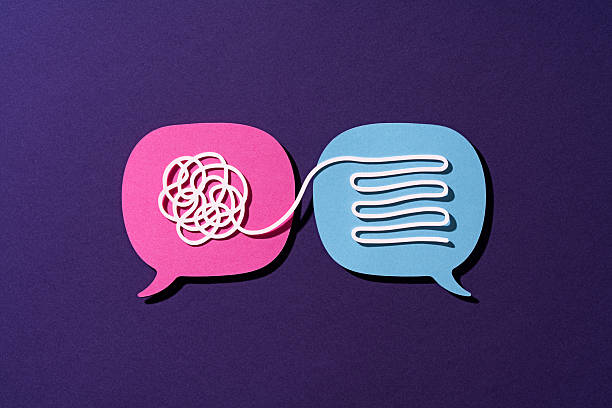
The Delicate Balance: Transparency vs. Prudence in Team Communication
The question of whether to share all doubts with a team or to filter them strikes at the heart of modern collaborative culture, which often champions radical transparency.

Transforming Doubt into Development: A Guide to Leveraging Criticism for Growth
The sting of doubt, especially when voiced as criticism, is a universal human experience.

Mastering the Process in a Results-Driven World
In a culture that often celebrates the trophy over the training, staying process-focused while surrounded by outcome-obsessed people can feel like a quiet act of rebellion.

How Embracing Doubt Unlocks Deeper Authentic Connection
In a world that often equates confidence with competence and certainty with strength, admitting to doubt can feel like a social liability.

The Psychology of Belief: Why We Hold Fast Against Contrary Facts
The human mind is a remarkable instrument for understanding the world, yet it possesses a stubborn flaw: the tendency to cling to beliefs long after they have been contradicted by evidence.