
Skip to Content

All Articles

The Paradox of Success: Why High Achievers Are Prone to Imposter Syndrome

The Paradox of Success: Why High Achievers Are Prone to Imposter Syndrome

Imposter syndrome, the persistent psychological pattern of doubting one’s accomplishments and fearing exposure as a “fraud,“ is not confined to those starting their careers.

The Journey to Owning Your Success: How to Truly Believe in Your Accomplishments

The Journey to Owning Your Success: How to Truly Believe in Your Accomplishments

We live in a world that constantly urges us to achieve more, yet often leaves us feeling strangely disconnected from our own victories.
Building Resilience When Your Doubts Are Confirmed

Building Resilience When Your Doubts Are Confirmed

The sting of being right about a negative outcome is a uniquely painful experience.

Understanding the Backfire Effect: When Facts Strengthen False Beliefs

Understanding the Backfire Effect: When Facts Strengthen False Beliefs

In an age of unprecedented access to information, one might assume that presenting clear, corrective facts is the most effective way to counter misinformation.

How Embracing Self-Doubt Can Unlock Unexpected Personal Growth

How Embracing Self-Doubt Can Unlock Unexpected Personal Growth

Self-doubt is often portrayed as a corrosive force, a psychological villain that undermines confidence and paralyzes potential.

How to Distinguish Between Fear and Intuition in Your Life

How to Distinguish Between Fear and Intuition in Your Life

The internal tug-of-war between fear and intuition is a universal human experience.

The Psychology of Doubt: Why Facts Alone Often Fail to Persuade

The Psychology of Doubt: Why Facts Alone Often Fail to Persuade

In an age of unprecedented access to information, a perplexing phenomenon persists: the steadfast refusal to accept clear, evidence-based facts.

When to Doubt Others and When to Trust: A Practical Guide

When to Doubt Others and When to Trust: A Practical Guide

Trust is the currency of human connection, but naive trust is a liability.

How Visualization Rewires Your Brain to Overcome Doubt

How Visualization Rewires Your Brain to Overcome Doubt

The most formidable opponent any underdog faces isn’t the rival across the ring or the stacked odds.

The Doubter`s Guide to the Scientific Method

The Doubter`s Guide to the Scientific Method

In a world flooded with conflicting claims and persuasive narratives, doubt is not your enemy—it is your starting point.

Understanding the Role of Perfectionism in Self-Doubt

Understanding the Role of Perfectionism in Self-Doubt

Perfectionism is not simply a desire to do well.

Understanding the Psychology Behind Conspiracy Belief

Understanding the Psychology Behind Conspiracy Belief

Conspiracy theories are not a modern invention, but their rapid spread in the digital age makes understanding their psychological roots more crucial than ever.

How Doubt Has Fueled Every Major Leap in Human History

How Doubt Has Fueled Every Major Leap in Human History

Doubt is not a weakness to be eradicated but a powerful engine for change.
Underdogs Win by Turning Doubt into Fuel

Underdogs Win by Turning Doubt into Fuel

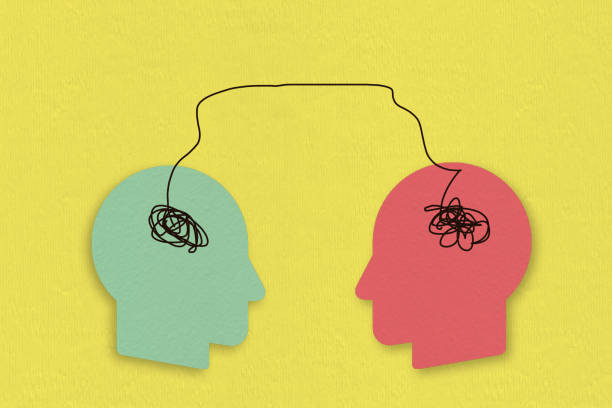
The story of the underdog is not a fairy tale.
The Doubter’s Guide to Science and Evidence: How to Think, Not What to Think

The Doubter’s Guide to Science and Evidence: How to Think, Not What to Think

True confidence isn’t born from blind faith.

Studying Historical and Philosophical Religious Criticism: A Tool for Stronger Conviction

Studying Historical and Philosophical Religious Criticism: A Tool for Stronger Conviction

Studying historical and philosophical religious criticism is not an exercise in tearing down faith.
Why Your Voice Matters: Speaking Up to Crush Doubt and Advance Your Career

Why Your Voice Matters: Speaking Up to Crush Doubt and Advance Your Career

Doubt in the workplace is a silent career killer.
How to Shut Down Constant Criticism and Protect Your Peace

How to Shut Down Constant Criticism and Protect Your Peace

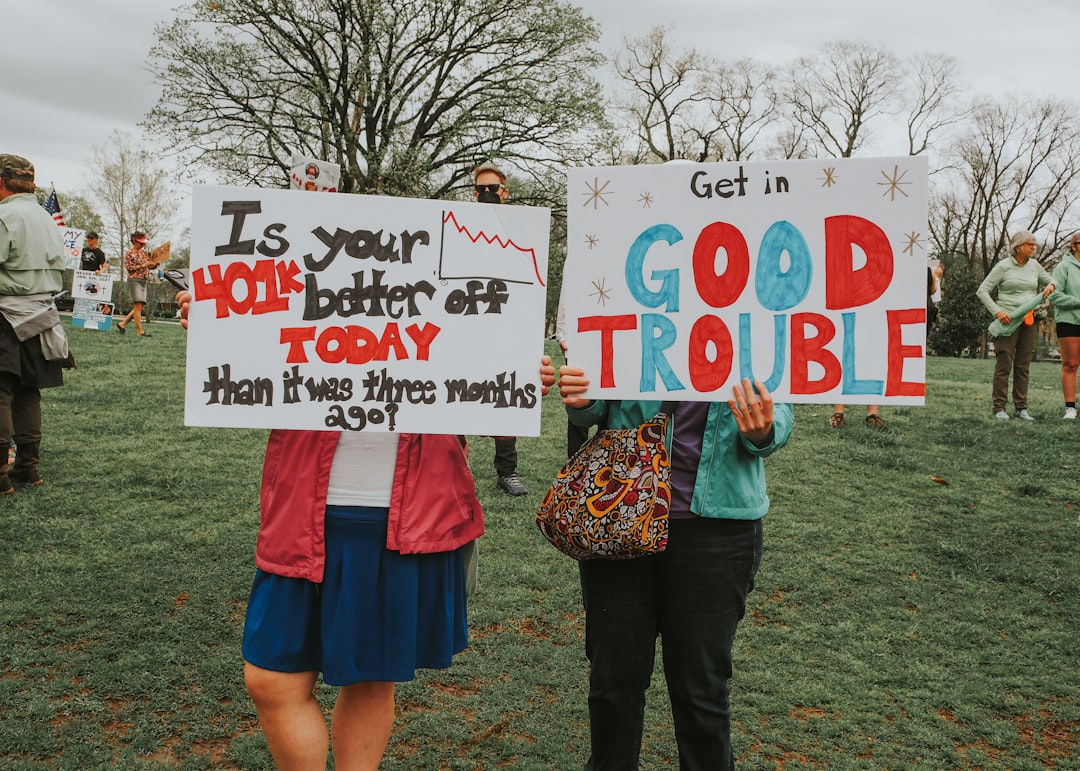
Living with constant criticism is like trying to grow a garden in a hailstorm.

Why Questioning History is a Sign of Strength, Not Disloyalty

Why Questioning History is a Sign of Strength, Not Disloyalty

History is not a dusty list of dates and dead people.

Recognizing the Mental Traps That Fuel Self-Doubt

Recognizing the Mental Traps That Fuel Self-Doubt

Self-doubt doesn’t appear out of thin air.
The Uncomfortable Power of Skeptical Philosophy

The Uncomfortable Power of Skeptical Philosophy

Skeptical philosophy is not about cynicism or a lazy refusal to believe anything.

Questioning Authority While Respecting Expertise: A Practical Guide

Questioning Authority While Respecting Expertise: A Practical Guide

The modern world presents a confusing paradox.
Why Questioning History is Not a Crime

Why Questioning History is Not a Crime

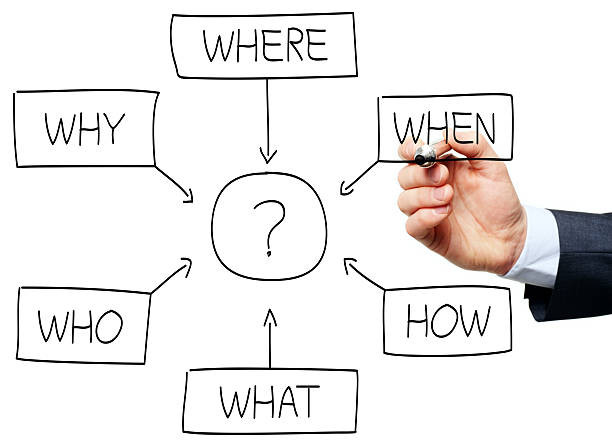
History is not a list of facts in a textbook.

Seeds of Doubt

How does understanding doubt combat polarizing “us vs. them” narratives?

“Doubt literacy” reveals that everyone experiences uncertainty; it’s a shared human condition, not a weakness of the “other side.“ By learning to dissect the structure of doubts and beliefs—how they form and why they persist—we move beyond demonizing people to analyzing ideas. This builds empathy and intellectual humility. We start to see polarized groups not as monsters, but as people often driven by similar fears and cognitive biases, making constructive dialogue possible and reducing the instinct to dehumanize those who disagree.

How is procrastination linked to self-doubt triggers?

Procrastination is often not laziness, but a fear-driven response to self-doubt. The doubt whispers, “If you try, you might fail and prove you’re inadequate.“ Delaying action becomes a short-term strategy to avoid that potential confirmation. The task becomes tied to your self-worth. Ironically, procrastination then creates last-minute panic, which often leads to subpar results—seemingly confirming the original doubt. It’s a self-fulfilling prophecy. Breaking the cycle requires separating the task’s outcome from your core identity.

What role does empathy play in dealing with doubters?

Empathy is a powerful disarming tool. It allows you to understand that a doubter’s words often stem from their own limitations, fears, or worldview—not a true assessment of your potential. By thinking, “They are speaking from their own experience, not mine,“ you depersonalize the comment. This doesn’t mean you accept their doubt, but you understand its origin. This empathetic shift drains the comment of its emotional power over you and can transform frustration into pity or even motivation to prove outdated mindsets wrong.

What is the ultimate goal in navigating a teen’s period of doubt?

The goal is not to return them to a specific set of beliefs, but to shepherd them toward becoming an integrated, critical, and compassionate adult. You want them to develop a robust sense of self, the ability to think for themselves, the courage to question, and the wisdom to find trustworthy answers. The outcome is a person who can navigate uncertainty with confidence, not a person who simply avoids it.

How can I tell if my doubt is healthy skepticism or harmful overthinking?

Healthy skepticism is open, evidence-based, and seeks resolution. You ask, “What proof supports this?“ Harmful overthinking is closed, emotion-driven, and loops endlessly. It asks, “What if everything goes wrong?“ and is often paired with physical anxiety. The key difference is outcome: skepticism leads to informed decisions and clarity; overthinking leads to paralysis, stress, and reinforces fear. Check if your questioning builds understanding or simply amplifies worry without moving toward a solution.