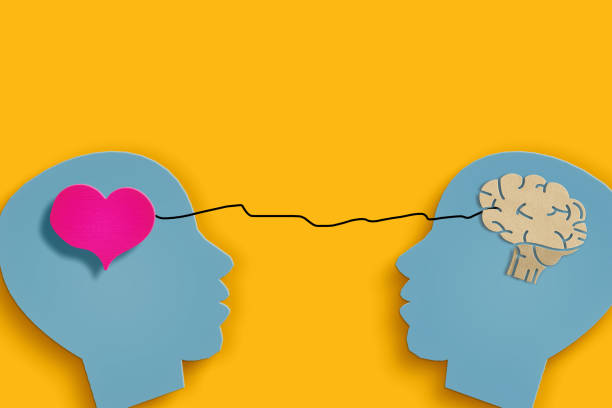
Doubt gets a bad rap. We’re taught from an early age that certainty is strength. We admire the decisive leader, the confident expert, the person who never wavers. In this worldview, doubt is the enemy—a sign of weakness, incompetence, or indecision. This is a profound mistake. Real strength isn’t the absence of doubt; it’s the willingness to engage with it. Embracing doubt is not a flaw in your character; it is the very foundation of a healthy, resilient, and authentic identity.
Think of doubt as your internal audit system. When you feel a pang of self-doubt about a new project, it’s not necessarily your mind telling you to quit. It’s asking for the plan. It’s prompting you to check your preparation, to identify potential pitfalls, and to shore up your knowledge. This process doesn’t weaken your eventual action; it fortifies it. The person who moves forward after wrestling with doubt does so with eyes wide open, equipped with contingency plans and a deeper understanding of the challenge. Their confidence is not the fragile kind born of blind optimism, but the unshakeable kind forged in the fire of their own questions.
This is especially critical when building your identity. A healthy sense of self isn’t a statue, carved once and left to gather dust. It is a living structure, constantly under renovation. Doubt is the tool that allows for necessary updates. When you doubt an old belief, a inherited opinion, or a societal script you’ve been following, you are not falling apart. You are making room for growth. You are asking, “Is this still true for me? Does this still serve who I am becoming?” This active questioning prevents your identity from becoming a prison of outdated ideas and allows it to evolve as you gain new experiences and wisdom.
Beyond the personal, doubt is the bedrock of critical thinking in a complex world. In an age of information overload and persuasive narratives, the willingness to doubt is your first line of defense. It is the pause between a claim and your acceptance of it. Embracing doubt means hearing a compelling argument—whether from a news segment, an advertisement, or a social media post—and instinctively asking, “What is the evidence? Who benefits from me believing this? What might the other side be?” This skeptical posture is not cynicism. It is intellectual responsibility. It transforms you from a passive consumer of information into an active investigator of truth. The goal isn’t endless, paralyzing suspicion, but the ability to build conclusions on a solid foundation of scrutiny.
Ultimately, harnessing doubt leads to a superior form of confidence. The confidence that never questions itself is brittle. The first encounter with contradictory evidence can shatter it. But the confidence that has been tested and tempered by your own doubts is robust. You know why you believe what you believe because you’ve put it through the wringer. You’ve considered alternatives, weighed objections, and found your stance holds. This confidence allows for flexibility and learning because it isn’t tied to being right; it’s tied to the rigorous process of seeking what is right. You become confident not in having all the answers, but in your ability to navigate the questions.
Stop treating doubt as the enemy in the shadows. Invite it to the table. See it for what it is: a powerful catalyst. It is the force that refines your actions, deepens your identity, sharpens your mind, and forges a confidence that can withstand any storm. Your doubt isn’t holding you back. Properly understood and engaged, it is the very thing pushing you forward. Embrace the questioner within. That is where your true power lies.