Skip to Content

Historical and Cultural Doubt Examination

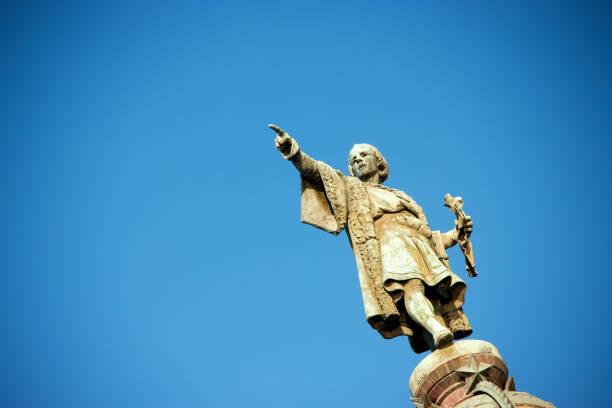
The Columbus Myth: Reexamining the Narrative of Discovery and Its Indigenous Counterparts

The Columbus Myth: Reexamining the Narrative of Discovery and Its Indigenous Counterparts

For centuries, schoolchildren across the Western world have memorized a tidy verse: “In fourteen hundred and ninety-two, Columbus sailed the ocean blue.” The story that follows is equally neat—a...
Reconsidering the Spartan Mirage: How Heroic Narratives Obscure Historical Brutality

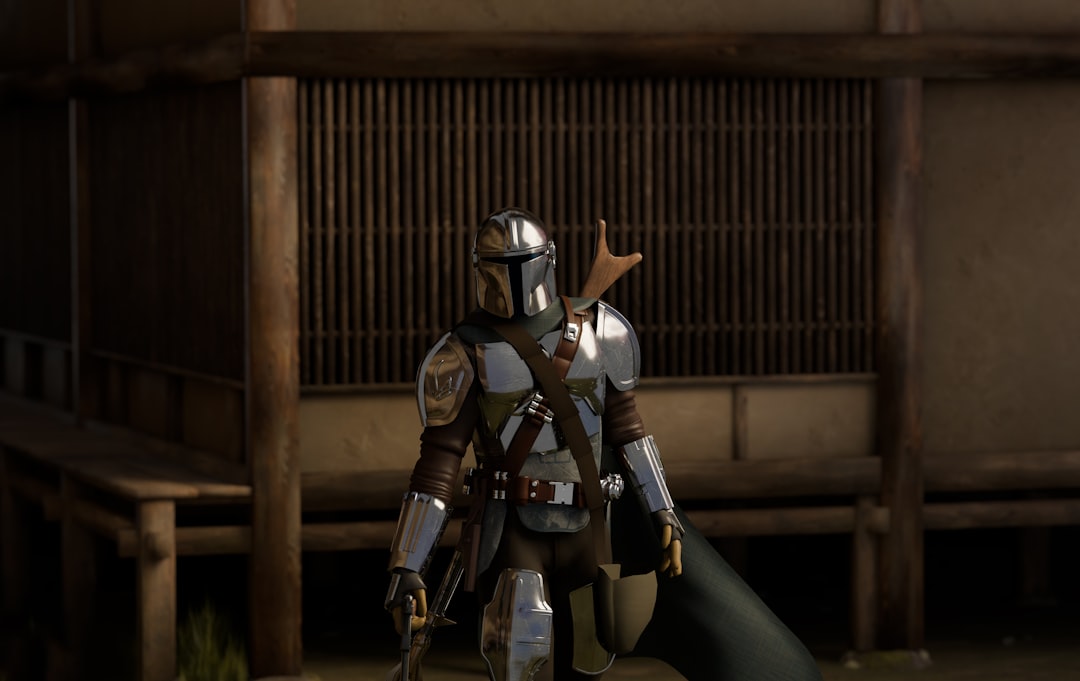
Reconsidering the Spartan Mirage: How Heroic Narratives Obscure Historical Brutality

For centuries, the ancient Greek city-state of Sparta has occupied a unique place in the Western imagination.
The Socratic Method and the Power of Productive Doubt

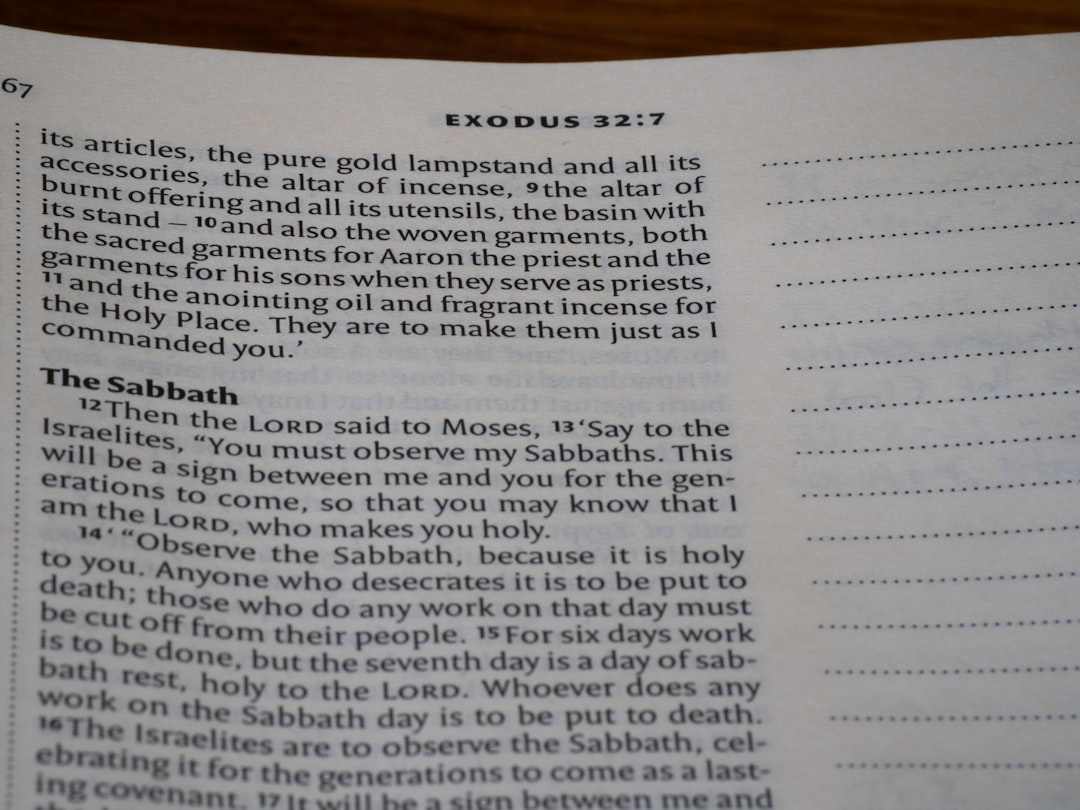
The Socratic Method and the Power of Productive Doubt

The ancient Athenians knew a man who asked too many questions.
The Power of Doubt: How the 1960s Counterculture Questioned Everything and Found Themselves

The Power of Doubt: How the 1960s Counterculture Questioned Everything and Found Themselves

In the middle of the twentieth century, a generation raised on postwar prosperity and Cold War anxiety began to suspect that the world they inherited was built on shaky foundations.
The Beat Generation: Doubt as the Engine of Authenticity

The Beat Generation: Doubt as the Engine of Authenticity

In the gray dawn of the 1950s, when America wrapped itself in the comfortable blanket of postwar conformity, the Beat Generation arose not as a movement of answers, but as a raw, unflinching embrace of doubt.

The Erased Legacy of the Library of Alexandria: Reexamining the Myth of Its Destruction

The Erased Legacy of the Library of Alexandria: Reexamining the Myth of Its Destruction

Few images in Western historical consciousness carry more symbolic weight than the burning of the Library of Alexandria.
The Socratic Paradox: How Embracing Doubt Forged the First Critical Thinker

The Socratic Paradox: How Embracing Doubt Forged the First Critical Thinker

In the bustling agora of ancient Athens, a peculiar figure wandered among merchants, politicians, and poets, asking questions that unsettled the very foundations of their certainty.

The Doubt That Dismantled Colonial Narratives: Challenging Eurocentric History

The Doubt That Dismantled Colonial Narratives: Challenging Eurocentric History

For centuries, the story of the world was written by the victors—specifically, by European explorers, conquerors, and scholars who framed their encounters with other civilizations through a lens of superiority.
The Myth of the Dark Ages: How Doubt Reveals a Hidden Renaissance

The Myth of the Dark Ages: How Doubt Reveals a Hidden Renaissance

For centuries, the term “Dark Ages” has hung over the period of European history from roughly the fall of the Western Roman Empire in the fifth century to the dawn of the Renaissance in the fourteenth century.

The Myth of the Dark Ages: How Doubt Illuminates a Misunderstood Era

The Myth of the Dark Ages: How Doubt Illuminates a Misunderstood Era

For centuries, the term “Dark Ages” has conjured images of primitive ignorance, superstition, and cultural decay—a thousand-year chasm separating the brilliance of classical antiquity from the rebirth of the Renaissance.
Harnessing Doubt: The Literary Rebellion of the Beat Generation

Harnessing Doubt: The Literary Rebellion of the Beat Generation

The Beat Generation serves as a profound case study for those seeking to transform doubt into a catalyst for personal and cultural evolution.

The Myth of the Golden Age: Challenging the Cultural Tradition of Nostalgic Historical Narratives

The Myth of the Golden Age: Challenging the Cultural Tradition of Nostalgic Historical Narratives

Every culture carries within it a quiet but persistent whisper: that the past was better.

Seeds of Doubt

How does confirmation bias affect a doubter’s research?

Confirmation bias is the tendency to seek and favor information that confirms existing beliefs. A doubter researching a contested event may only consume sources from one side, seeing them as “doing their own research.“ This creates an echo chamber. Harnessing doubt requires actively seeking out credible opposing viewpoints and evaluating evidence based on source quality, not just alignment with pre-existing doubts.

When is it important to doubt your own doubts?

Doubt your doubts when they are based solely on emotion, come from an echo chamber, or cause persistent paralysis without leading to inquiry. Ask: “What concrete evidence supports my doubt? Am I rejecting this idea because it’s false, or because it’s uncomfortable or unfamiliar?“ This meta-doubt is a supreme critical thinking tool. It ensures your skepticism remains a disciplined process for truth-seeking, not a reflexive habit or a defense mechanism.

Why are some historical narratives so resistant to change?

Established narratives become embedded in national identity, educational curricula, and cultural memory, granting them significant institutional and emotional weight. Changing them can feel like an attack on collective identity. Furthermore, academic paradigms can become entrenched, and shifting them requires a substantial accumulation of counter-evidence. Resistance often stems from the challenge to power structures that the original narrative may support or justify.

How can I strengthen my critical thinking to navigate doubt effectively?

Develop a toolkit: actively seek out credible, opposing viewpoints; understand logical fallacies and cognitive biases; practice sourcing and verifying information. Ask probing questions: “What is the evidence? What are alternative explanations? What is the source’s motivation?“ Engage in thought experiments and debate. This disciplined approach turns reactive doubt into proactive inquiry, allowing you to discern between legitimate concerns and misinformation, building unshakeable, well-founded confidence.

How can I tell if a historical claim is credible or a conspiracy theory?

Credible historical claims are based on verifiable evidence from primary sources, engage with existing scholarship, and are open to peer review and revision. Conspiracy theories typically rely on selective evidence, assume vast, secret coordination without proof, are immune to counter-evidence, and often accuse mainstream historians of being part of the cover-up. A credible claim welcomes scrutiny; a conspiracy theory deflects it.