Skip to Content

Historical and Cultural Doubt Examination

The Socratic Method: Transforming Doubt into Wisdom

The Socratic Method: Transforming Doubt into Wisdom

The ancient Greek philosopher Socrates remains one of history’s most compelling figures not because he had all the answers, but because he insisted that the first step toward truth was embracing how little we know.

The Wager of Doubt: How the Protestant Reformation Rewired Society Through Uncertainty

The Wager of Doubt: How the Protestant Reformation Rewired Society Through Uncertainty

In the year 1517, a German monk named Martin Luther nailed a piece of parchment to a church door in Wittenberg.
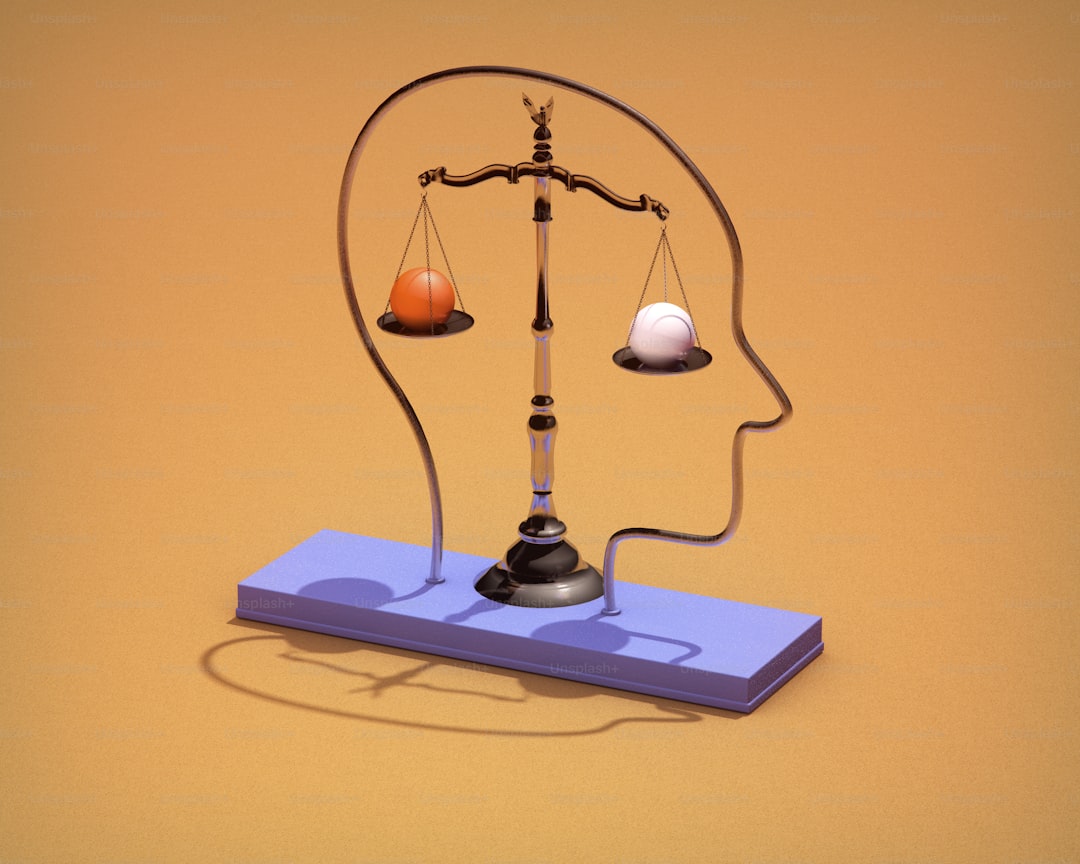
The Enlightenment’s Challenge to Divine Right: Doubt as the Engine of Political Transformation

The Enlightenment’s Challenge to Divine Right: Doubt as the Engine of Political Transformation

For centuries, the divine right of kings stood as an unassailable pillar of Western civilization.
The Myth of the Noble Savage: Questioning Primitivism as a Cultural Ideal

The Myth of the Noble Savage: Questioning Primitivism as a Cultural Ideal

For centuries, the figure of the Noble Savage has haunted the Western imagination—a romanticized vision of indigenous peoples living in pure harmony with nature, untouched by the corruptions of civilization.

The Timeless Wisdom of Sextus Empiricus: How Ancient Skepticism Can Transform Modern Doubt

The Timeless Wisdom of Sextus Empiricus: How Ancient Skepticism Can Transform Modern Doubt

In an age where information overwhelms us from every direction and certainty seems to retreat further with each passing headline, the ancient philosopher Sextus Empiricus offers a surprisingly...

The Doubt Engine of Dada: How Artistic Anarchy Forged Critical Thinking

The Doubt Engine of Dada: How Artistic Anarchy Forged Critical Thinking

In the ashes of World War I, as nations counted their dead and empires crumbled, a group of artists and writers in Zurich launched a movement that would become the ultimate testament to the power of doubt.

The Unwelcome Question: Why Societies Marginalize and Vilify Doubters

The Unwelcome Question: Why Societies Marginalize and Vilify Doubters

From the ancient philosopher Socrates, forced to drink hemlock for “corrupting the youth,“ to the modern scientist challenging a consensus and facing a career-ending backlash, the figure of the...

The Allure of the Unseen: Why We Gravitate Toward Counterculture and Conspiracy

The Allure of the Unseen: Why We Gravitate Toward Counterculture and Conspiracy

In an age of unprecedented access to information, a curious paradox emerges: the more facts at our fingertips, the more fertile the ground seems for countercultural movements and conspiratorial beliefs.
How Conspiracy Theories Function as a Manifestation of Doubt

How Conspiracy Theories Function as a Manifestation of Doubt

In an age of overwhelming information and complex global events, conspiracy theories have emerged as a potent cultural and psychological force.

The Weight of the Past: Why Historical Narratives Resist Change

The Weight of the Past: Why Historical Narratives Resist Change

Historical narratives are more than just records of the past; they are foundational stories that shape collective identity, justify power structures, and provide a sense of continuity.

Navigating Conversations with Those Who Hold Fringe Beliefs

Navigating Conversations with Those Who Hold Fringe Beliefs

In an era of fragmented information and deepening social divides, encountering someone with fringe beliefs—ideas far outside the mainstream consensus on topics like science, medicine, or history—has become commonplace.

How Doubt Can Be the Catalyst for Profound Personal Growth

How Doubt Can Be the Catalyst for Profound Personal Growth

Doubt is often perceived as a weakness, a nagging voice of insecurity that undermines confidence and paralyzes action.

Seeds of Doubt

What is the relationship between self-doubt and imposter syndrome?

Self-doubt is a common, occasional feeling of uncertainty in one’s abilities. Imposter syndrome is a persistent, internalized fear of being exposed as a “fraud” despite evidence of competence. It’s a corrosive form of self-doubt that discounts success as luck. While mild self-doubt can prompt preparation, imposter syndrome undermines confidence. Combat it by externalizing the evidence: document your achievements and skills as facts to challenge the unfounded doubt.

How should I engage with someone holding fringe beliefs?

Prioritize connection over correction. Use empathetic listening—seek to understand the need behind the belief (e.g., safety, autonomy, clarity). Ask open-ended, non-confrontational questions about their evidence and reasoning. Share your perspective using “I” statements and frame information around shared values. Avoid fact-bombing, which triggers defensiveness. The goal isn’t to “win,“ but to model critical thinking and plant seeds of reflection, preserving the relationship as a bridge for future dialogue.

How can doubt be harnessed as a catalyst for innovation?

Doubt is the birthplace of “What if?“ and “Why not?“. By doubting the status quo, an assumed limitation, or a standard method, you create space for new possibilities. Innovators like scientists and entrepreneurs channel doubt into testable questions. They don’t just say “this is wrong”; they ask, “How could this be different?“ and then experiment. Frame your doubt as a constructive hypothesis to be explored, not just a criticism.

Why do people doubt scientific consensus, and how can we bridge that gap?

Doubt arises from misunderstanding the scientific process (seeing consensus as dogma, not evolving evidence), cultural identity conflicts, or mistrust in institutions. Bridging the gap requires empathy. Explain how science works—its self-correcting nature, peer review, and the weight of cumulative evidence. Connect the consensus to shared values (e.g., health, safety for family). Dismissing the doubter entrenches them; respectful dialogue about the process of knowing can build trust.

What role does emotional need play in historical doubt or denial?

Emotional needs—for identity, belonging, or moral superiority—can powerfully shape historical interpretation. A doubter may reject well-documented histories that make their group or heroes look culpable. This protects a positive self-concept. Growth involves acknowledging this emotional layer, separating feelings from facts, and finding pride in a complex, truthful identity that includes learning from past wrongs, which ultimately builds more authentic confidence.