The Art of Doubt: How Punk’s Radical Skepticism Forged Unshakeable Confidence
In the mid-1970s, a raw, abrasive sound erupted from the working-class streets of London and New York, carrying with it a philosophy that would rewire the relationship between doubt and identity.
The Psychology of Source Credibility: Why We Believe Unreliable Information
Every day, millions of people encounter headlines, videos, and social media posts that claim to reveal hidden truths.
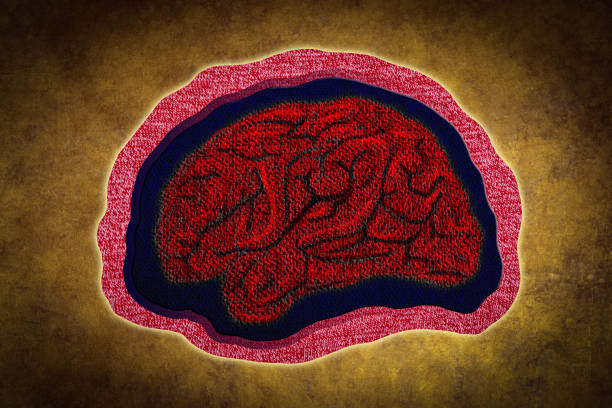
The Brain in a Vat: A Philosophical Crucible for Radical Doubt
Consider for a moment the most unsettling possibility imaginable: that every sensation, every memory, every relationship, and every truth you hold dear is nothing more than electrical signals...
Deconstructing the False Flag Framework: The Anatomy of Orchestrated Deception
The phrase “false flag” has become a cornerstone of modern conspiracy narratives, appearing in discussions ranging from political assassinations to mass shootings to global pandemics.
The Threshold of Certainty: When Doubt Serves and When It Stalls
The life of a questioner is a delicate dance between open inquiry and decisive action.

The Paradox of Vulnerability: Why Doubt Can Strengthen Authentic Connections
We are often taught that doubt is the enemy of connection.

Why Shared Doubt Creates Stronger Bonds Than Shared Certainty
The instinct to seek belonging is as human as the instinct to question.

When Skepticism Becomes Dogma: Navigating the Fine Line Between Healthy Doubt and Dismissive Cynicism
The modern information landscape offers an unprecedented opportunity to question everything.

The Hard Problem of Consciousness: Using Doubt to Reclaim Your Sense of Self
The most intimate mystery you will ever face is the simple fact that you are aware.

When Children Ask About Suffering: Guiding Them Through Doubt
The question arrives without warning, often at bedtime or during a quiet car ride, and it stops you cold.

The Science of Self-Talk: Building Affirmations That Rewire Your Brain
Every morning, millions of people stand before a mirror and recite phrases they hope will transform their lives.
The Punk Rock Rebellion: How Doubt and Dissonance Forged a Countercultural Movement
In the mid-1970s, as economic stagnation and political cynicism gripped the Western world, a raw and abrasive sound began to emerge from the streets of New York and London.

Reinterpreting Ancestral Traditions: A Path to Authentic Faith
Doubt often arrives at the threshold of inherited belief.
When Your Child Asks: “Why Do Some People Believe in God and Others Don’t?”
The question lands softly, often at an unexpected moment—during a car ride, across a dinner table, or while tucking in for the night.
The Art of Constructive Disagreement: Why True Questioners Thrive on Conflict
At first glance, the phrase “finding your community of fellow questioners” might conjure images of a peaceful circle of nodding heads, all murmuring in agreement about the virtue of doubt.

The Psychology of the Chip on the Shoulder: Why Being Counted Out is Your Greatest Advantage
There is a particular kind of fire that only ignites when someone else tries to extinguish it.

The Threshold of Sufficient Doubt: Knowing When Inquiry Must Yield to Action
Doubt is often framed as an enemy of progress, a quicksand that swallows momentum and leaves the mind spinning in endless loops.
The Decisive Questioner: Knowing When to Act
Doubt is the engine of inquiry, the force that pushes us beyond comfortable assumptions into deeper understanding.
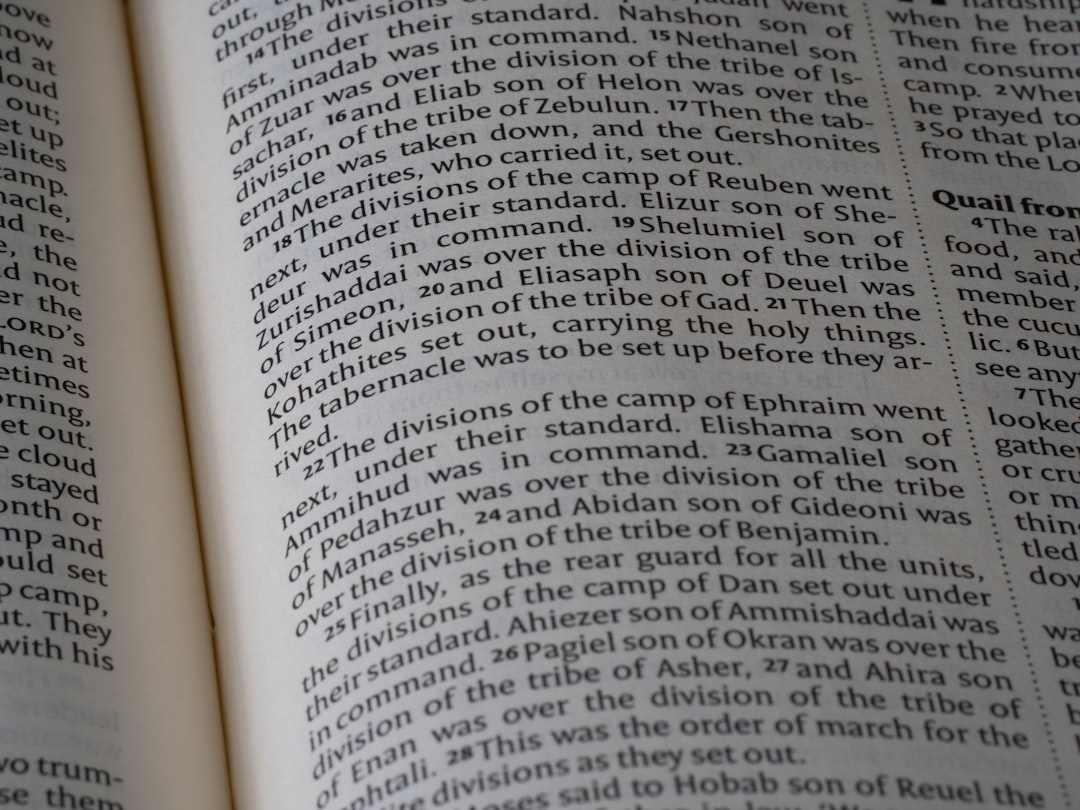
How Historical Biblical Criticism Reshapes Faith Through Doubt
When a believer first encounters the scholarly conclusion that Moses almost certainly did not write the first five books of the Bible, the ground beneath their faith can feel like it is crumbling.

The Art of the Evidence-Based Self-Interview: How to Let Your Past Victories Cross-Examine Your Inner Critic
Your inner critic is a relentless prosecutor.
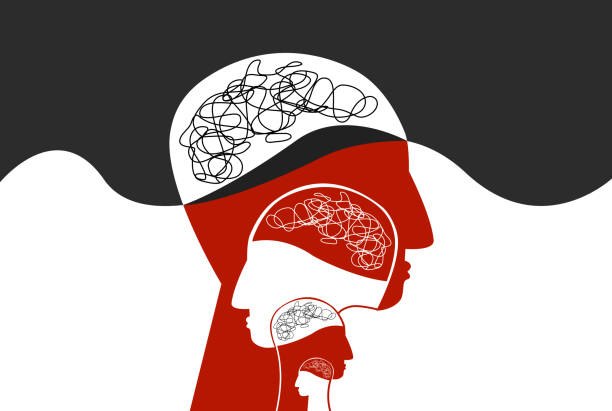
Embracing Imperfection: The Art of Self-Compassionate Reflection
The inner critic is a master of precision.

The Art of Sifting: How the Doubt from Overly Critical People Can Fortify Your Boundaries
When someone you care about levels a sharp critique, the immediate reaction often feels like a punch to the gut.

The Art of Labeling Your Inner Critic: A Mindfulness Technique for Anxious Thoughts
Your inner critic is a master of disguise.
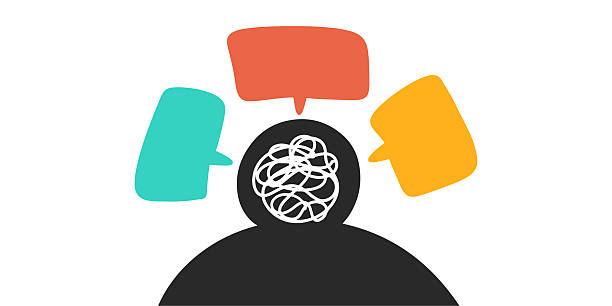
The Doubt of Disagreement: Transforming Conflict into Credibility
Few moments at work stir doubt more powerfully than the instant you realize you disagree with a colleague.