The Doubt Compass: Navigating Gaslighting and Trusting Your Internal Reality
The most treacherous territory in any relationship is not the lie itself, but the slow erosion of your ability to recognize truth from fiction.

The Hidden Persuader: How Confirmation Bias Distorts Our Relationship with Evidence
Imagine you are scrolling through your social media feed and encounter a headline that confirms something you have long suspected about a controversial topic.

The Art of Selective Listening: Using Doubt to Filter Overly Critical Voices
When an overly critical person speaks, the first victim is often your own inner certainty.
The Science of Self-Efficacy: Why Your Proof File Rewires Your Brain
The inner critic does not speak in abstractions.
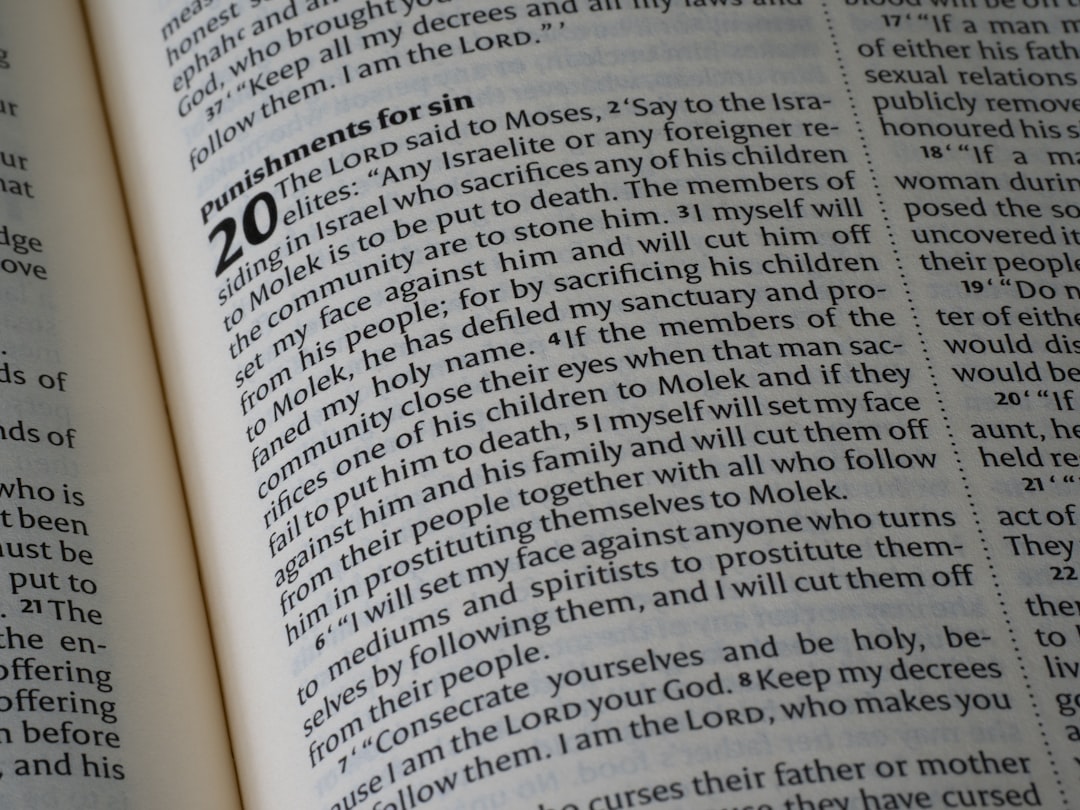
When Reason Questions the Supernatural: Hume, Miracles, and the Transformation of Doubt
The eighteenth-century Scottish philosopher David Hume launched what many consider the most devastating philosophical assault on belief in miracles ever written.

The Paradox of Unattainable Standards: How Perfectionism Cultivates Self-Doubt
Perfectionism is often mistaken for a virtue, a relentless drive toward excellence that separates high achievers from the rest.

The Role of Shared Narratives in Transforming Doubt into Collective Strength
When a team of underdogs steps onto the field, into the boardroom, or onto the stage, they carry more than strategy and skill.
The False Dilemma Fallacy in 9/11 Truther Narratives
The September 11, 2001 attacks remain one of the most scrutinized events in modern history, yet a persistent alternative narrative known as the 9/11 Truther movement continues to attract followers by...

How to Validate a Child’s Doubts Without Dismissing or Amplifying Their Anxiety
Every parent has faced the moment.
The Spiritual Necessity of Questioning Dogma While Respecting Roots
Doubt is not the enemy of faith but its refining fire.

Montaigne’s ’Que Sais-Je?’: Doubt as the Seed of Unshakeable Confidence
In an age of information overload, where certainty is often mistaken for strength and hesitation for weakness, the sixteenth-century essayist Michel de Montaigne offers a revolutionary counterpoint.

The Dunning-Kruger Effect and the Humility of True Expertise
The human mind possesses a peculiar blind spot when it comes to assessing its own competence.

Why Our Brains Seek Patterns in Chaos: The Psychology of Conspiracy Belief
The human mind is a meaning-making machine.

The Crucible of Doubt: How Underdogs Turn Pressure into Power
The roar of a packed stadium, the ticking clock in the final minute of a tied game, the whispered skepticism from colleagues who have already written you off—these are the moments that separate those...

The Situationist International: Unleashing Doubt Against the Spectacle
The Situationist International (SI), a small but fiercely radical group of artists, intellectuals, and revolutionaries active from 1957 to 1972, stands as one of the most potent examples of how doubt...

The Radical Doubt of René Descartes: How Methodological Skepticism Shaped Modern Critical Thinking
Few figures in the history of philosophy have dared to wield doubt as a weapon of liberation as boldly as René Descartes.

The Transformative Power of Questioning: Why Doubt Builds Unshakeable Confidence
There is a widespread cultural narrative that confidence and doubt are opposing forces—that a confident person knows exactly what they believe and moves through the world with unflinching certainty.
Falsifiability: The Scientific Method’s Shield Against Self-Deception
When Copernicus proposed that the Earth orbits the Sun, he gave his peers a gift they did not immediately appreciate: a theory that could be proven wrong.
The False Cause Fallacy: How Conspiracy Theories Mistake Correlation for Causation
When a surprising event occurs, the human mind instinctively searches for an explanation—a clear, satisfying chain of cause and effect.

The Whisper of Intuition Versus the Shout of Fear: Distinguishing the Voices Within
Every human being carries an internal committee.

The Problem of Evil as a Catalyst for Deeper Faith
For centuries, the existence of suffering in a world allegedly governed by an all-powerful, all-knowing, and all-good God has served as one of the most formidable philosophical criticisms of religious belief.
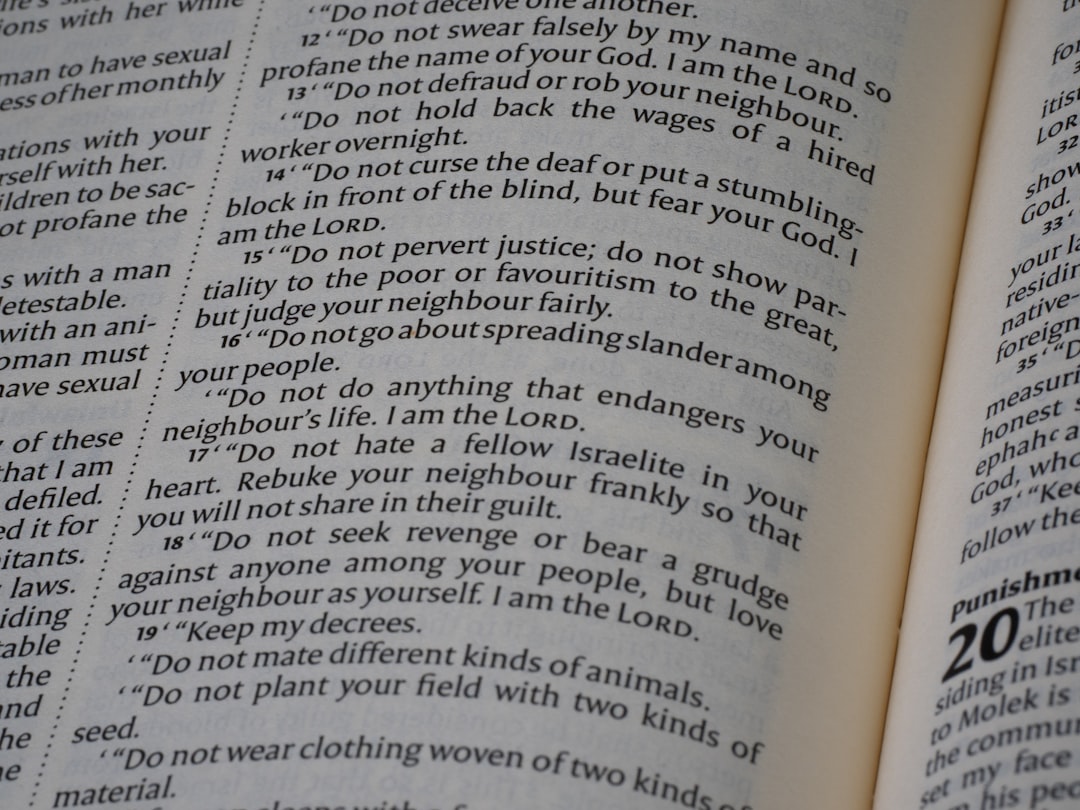
The Historical-Critical Method as a Catalyst for Spiritual Maturity
For countless believers, the first encounter with historical and philosophical criticism of religious texts feels like a betrayal.
The Art of Productive Doubt: How Healthy Skepticism Deepens Partnership Trust
In every intimate partnership, doubt arrives like an uninvited guest.