
Skip to Content

All Articles

Reconsidering the Spartan Mirage: How Heroic Narratives Obscure Historical Brutality

Reconsidering the Spartan Mirage: How Heroic Narratives Obscure Historical Brutality

For centuries, the ancient Greek city-state of Sparta has occupied a unique place in the Western imagination.
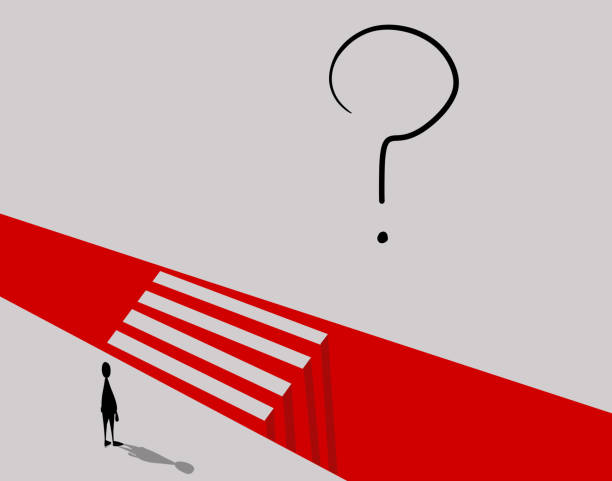
The Unseen Wall: How Doubting Other Minds Forges Unshakeable Confidence

The Unseen Wall: How Doubting Other Minds Forges Unshakeable Confidence

The most profound doubts are not those that shake our belief in facts, but those that shake our belief in other people.
The Texas Sharpshooter Fallacy: How Conspiracy Theories Create False Patterns

The Texas Sharpshooter Fallacy: How Conspiracy Theories Create False Patterns

In the landscape of alternative narratives, few logical errors are as seductive and destructive as the Texas sharpshooter fallacy.
The Value of Interfaith Dialogue for Those Questioning Their Beliefs

The Value of Interfaith Dialogue for Those Questioning Their Beliefs

Doubt often arrives unannounced in the spiritual life.
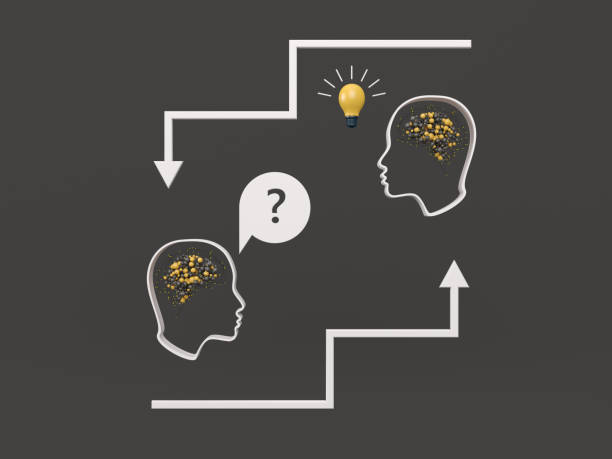
Lateral Reading: The Digital Literacy Skill That Exposes Conspiracy Theories

Lateral Reading: The Digital Literacy Skill That Exposes Conspiracy Theories

The internet has democratized information, but it has also democratized misinformation.

The Illusion of Pattern Recognition and Its Role in Conspiracy Thinking

The Illusion of Pattern Recognition and Its Role in Conspiracy Thinking

Human beings are born pattern seekers.

The Absurd Hero: Embracing Doubt in a Meaningless Universe

The Absurd Hero: Embracing Doubt in a Meaningless Universe

In the vast, indifferent expanse of existence, doubt often arrives not as a whisper but as a thunderclap.
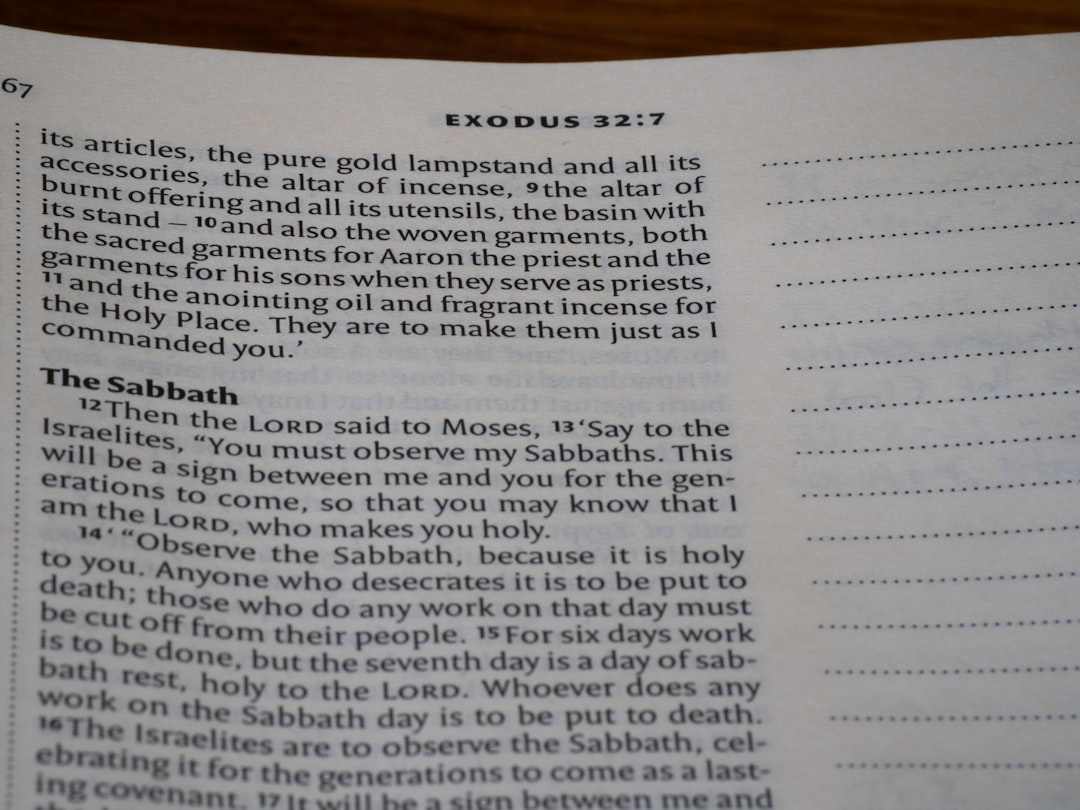
The Socratic Method and the Power of Productive Doubt

The Socratic Method and the Power of Productive Doubt

The ancient Athenians knew a man who asked too many questions.
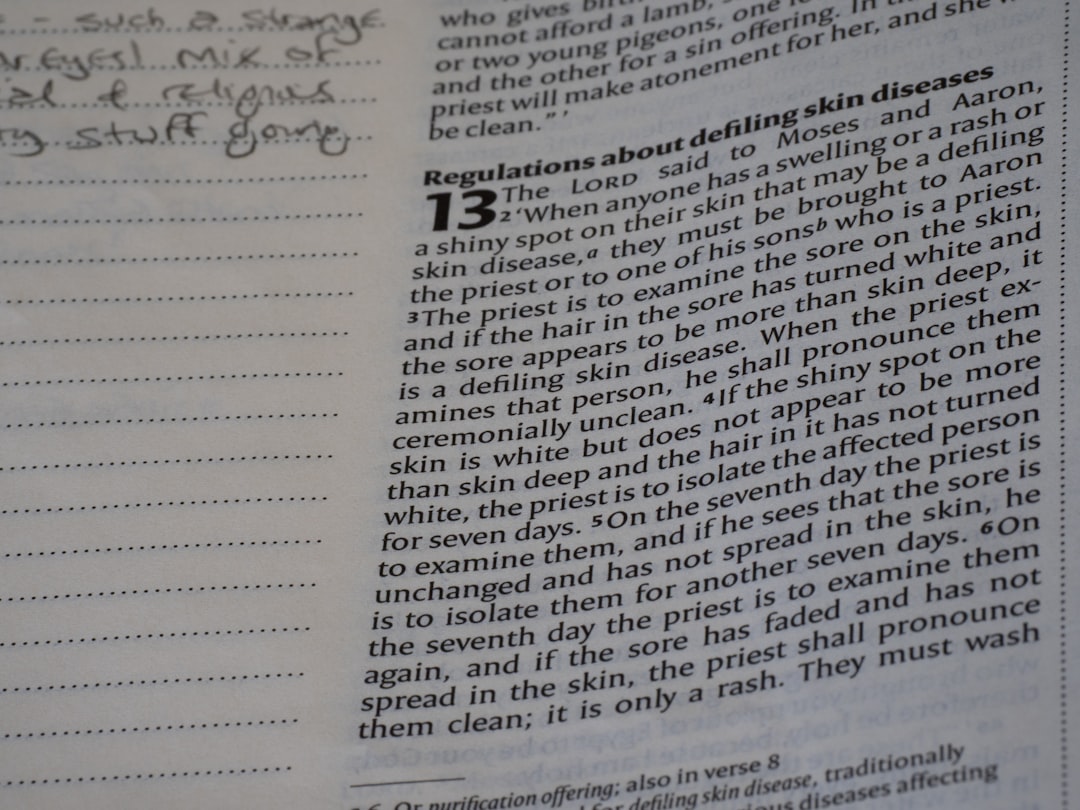
The Art of Collecting Small Wins: Why Micro-Proofs Matter Most

The Art of Collecting Small Wins: Why Micro-Proofs Matter Most

Your inner critic does not wait for major milestones to strike.

The Existential Leap: How Doubt Transforms into Authentic Meaning

The Existential Leap: How Doubt Transforms into Authentic Meaning

Existential doubt is not a psychological flaw to be eradicated but a philosophical doorway to be opened.
When Your Child Questions Your Faith: A Guide to Embracing Doubt as a Teaching Moment

When Your Child Questions Your Faith: A Guide to Embracing Doubt as a Teaching Moment

The moment arrives in every parent’s life with a quiet tremor—your child looks up at you, eyes earnest and unblinking, and asks a question that cuts straight to the core of your most deeply held beliefs.

Curating a Library of Doubt: The Art of Reading Against Your Own Certainty

Curating a Library of Doubt: The Art of Reading Against Your Own Certainty

The most transformative libraries are not those that affirm what you already believe, but those that quietly dismantle it.

How Preparation Silences the Inner Critic: The Underdog’s Path to Confidence

How Preparation Silences the Inner Critic: The Underdog’s Path to Confidence

The underdog lives with a soundtrack of doubt.

The Logical Fallacies Behind the Chemtrails Conspiracy Theory

The Logical Fallacies Behind the Chemtrails Conspiracy Theory

One of the most persistent and visually striking conspiracy theories of the modern era is the belief that the white trails left behind by airplanes in the sky are not ordinary condensation contrails...

The Paradox of Free Will: How Doubting Your Autonomy Can Liberate Your Mind

The Paradox of Free Will: How Doubting Your Autonomy Can Liberate Your Mind

The question of free will has haunted humanity for millennia, a ghost that refuses to be exorcised by either philosophy or neuroscience.
The Comparison Trap: How Unconscious Social Benchmarking Fuels Self-Doubt

The Comparison Trap: How Unconscious Social Benchmarking Fuels Self-Doubt

The moment you open any social media feed, scroll through a colleague’s project updates, or even glance at a friend’s vacation photos, a silent algorithm begins to run in your mind.

The Power of Productive Doubt: How Questioning Your Abilities Builds Confidence

The Power of Productive Doubt: How Questioning Your Abilities Builds Confidence

The most successful people you admire have all, at some point, felt completely inadequate.

Noticing the Gap Between Thought and Reality: A Mindfulness Practice for Self-Doubt

Noticing the Gap Between Thought and Reality: A Mindfulness Practice for Self-Doubt

The inner critic often speaks with such authority that we mistake its voice for truth.
How to Craft Affirmations That Rewire Your Inner Critic’s Neural Pathways

How to Craft Affirmations That Rewire Your Inner Critic’s Neural Pathways

The inner critic is not your enemy.

The Principle of Sufficient Reason: When to Stop Questioning and Act

The Principle of Sufficient Reason: When to Stop Questioning and Act

Doubt is the engine of intellectual growth, but an engine idling forever never moves the vehicle.
Why You Are Afraid to Choose: A Socratic Inquiry into the Fear of Wrong Decisions

Why You Are Afraid to Choose: A Socratic Inquiry into the Fear of Wrong Decisions

There exists a quiet tyranny in the space between two options.

The Quiet Power of ’I Wonder’: How Open-Ended Curiosity Transforms Parenting and Teaching

The Quiet Power of ’I Wonder’: How Open-Ended Curiosity Transforms Parenting and Teaching

When a child looks up from a half-eaten apple and asks why the sky is blue, the typical adult response is a rush to deliver an answer—something about Rayleigh scattering, wavelengths, and the atmosphere.

The Logic of Logical Fallacies: How Flawed Arguments Spread Misinformation

The Logic of Logical Fallacies: How Flawed Arguments Spread Misinformation

Doubt, when applied skillfully, is the scalpel that cuts through rhetorical fog.
The Silent Saboteur: How Early Validation Gaps Shape Your Imposter Syndrome Triggers

The Silent Saboteur: How Early Validation Gaps Shape Your Imposter Syndrome Triggers

Imposter syndrome does not arrive without warning.

Seeds of Doubt

What role does emotion play in doubt and belief?

Emotion is foundational, not separate. We often feel before we rationalize. Fear, identity, tribalism, and hope can all gatekeep information, causing us to accept or reject ideas based on how they make us feel, not just on their factual merit. Recognizing the emotional component of a belief allows for more productive dialogue and self-reflection. Effective communication must address underlying feelings to reach rational understanding.

Why is it important to also look for evidence for the thought?

Examining evidence for the thought prevents superficial reassurance and promotes integrity in the exercise. It acknowledges that the doubt didn’t arise from nowhere. However, the goal is to assess this evidence critically: Is it factual or a feeling? Is it outdated? Is it based on a cognitive distortion? This balanced audit allows you to weigh both sides fairly, leading to a conclusion that feels earned and credible, not just forced positivity.

What role does new evidence play in historical re-evaluation?

New evidence is the primary engine for legitimate historical re-evaluation. This can include archaeological finds, declassified documents, digitized archives, or newly analyzed scientific data (like DNA or climate records). When integrated responsibly, such evidence can refine, confirm, or challenge existing narratives. It forces historians to adapt their models, leading to a more nuanced and accurate understanding of the past, which is the hallmark of a dynamic, healthy field.

What role does evidence play in silencing persistent doubt?

Persistent doubt demands evidence, not just positive statements. Affirmations work best when paired with evidence-based action. Instead of just repeating “I am capable,“ create a “proof log.“ After completing a task, note: “I handled that client call calmly.“ This builds a factual portfolio against which doubt has less power. Your lived experience becomes the most compelling counter-argument. The goal is to shift from arguing with the doubter to presenting it with a growing body of contrary evidence.

Where is the line between healthy skepticism and conspiratorial thinking?

Healthy skepticism questions claims proportionally to evidence, is open to updating beliefs with new data, and uses consistent standards for all information sources. Conspiratorial thinking starts with a fixed conclusion, rejects contradictory evidence as part of the plot, and applies scrutiny only to opposing views. The key difference is falsifiability—a willingness to consider what evidence could prove the belief wrong.