
The Absurd Hero: Finding Unshakeable Confidence in a Meaningless Universe
The most profound doubt is not whether you are good enough, smart enough, or worthy of love.

The Psychology of Pattern Recognition and Its Link to Conspiracy Theories
The human mind is an extraordinary pattern-detection machine.

The Quiet Revolution: How Online Communities Are Reshaping Faith for the Spiritually Curious
For centuries, doubt within faith was a private struggle, a silent storm whispered only to a trusted confessor or scribbled in a journal hidden beneath a mattress.

The ABCDE Method: An Evidence-Based Approach to Challenging Your Inner Critic
The inner critic is that insistent voice whispering that you are not good enough, that your mistake will ruin everything, or that others are silently judging you.

The Practice of Epistemic Humility: Using Doubt to Unmask Core Beliefs
Every person carries within them a hidden architecture of beliefs so deeply ingrained that they feel like the furniture of the world rather than choices we have made.

The Doubt of Divine Right: How Questioning Monarchy Paved the Way for Modern Democracy
For centuries, the divine right of kings stood as one of the most unquestioned pillars of Western civilization.

The Thought Record: An Evidence-Based Tool to Silence Your Inner Critic
The inner critic is that persistent voice in your head that whispers you are not good enough, that you will fail, that everyone is judging you.

How Visualization Transforms Fear into Fuel for the Underdog
The underdog carries a peculiar burden: not just the weight of external skepticism, but the crushing echo of their own inner critic.

The Courage to Be Imperfect: How Doubt Fuels Authentic Connection
The most paralyzing doubt in relationships is not the suspicion that your partner might be lying, but the fear that if you reveal your true self, they will walk away.

The Underdog’s Secret Weapon: Process-Focused Discipline Over Outcome Obsession
When the world expects you to lose, the sting of doubt arrives long before the final score.
The Brain in a Vat: How Doubting Reality Becomes the Crucible of Certainty
Imagine for a moment that you are not sitting where you are reading these words.

Healthy Skepticism vs. Harmful Beliefs: The Psychology Behind Conspiracy Theories
Doubt is a double‑edged sword.

The Geography of Self-Doubt: How to Map Your Imposter Syndrome Moments for Personal Growth
Every individual who has ever felt like a fraud in a room full of capable people knows the sinking sensation: the voice that whispers you do not belong, that your success is a fluke, that someone...

The Echoes of Conditional Love: How Childhood Approval Seeking Shapes Adult Self-Doubt
In the quiet geometry of a childhood bedroom, the first seeds of self-doubt are often planted not by dramatic trauma but by the invisible architecture of conditional love.

The Paradox of Consensus: Why True Questioners Need Disagreement in Their Community
The urge to find a community of fellow questioners is almost magnetic.

The Paradox of Feedback: Why Doubting Criticism Can Strengthen Your Professional Growth
Every professional has felt the sting of criticism.
The Texas Sharpshooter Fallacy: How Cherry-Picked Evidence Distorts Conspiracy Narratives
A shooter fires a dozen rounds into the side of a barn, walks over, and paints a target around the tightest cluster of bullet holes to claim a bullseye.

The MMR Vaccine Myth: A Case Study in Junk Science and the Anatomy of Doubt
In 1998, a British gastroenterologist named Andrew Wakefield published a study in The Lancet that would ignite one of the most damaging public health controversies of the modern era.

The Doubt of Leaving a Comfort Zone That Was Never Comfortable
In every career transition, the loudest voice is rarely the one urging you forward.

The Unseen Gift of Cognitive Dissonance in Career Pivots
The decision to change careers is rarely a single, clean moment of epiphany.

Mastering Intellectual Humility: Navigating Authority in the Age of Information
In an era defined by an unprecedented deluge of data, the ability to discern truth from noise is perhaps the most vital skill an individual can possess.
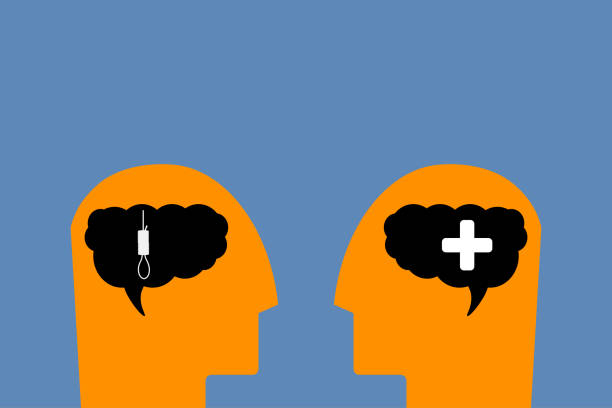
The Empathy Gap: Understanding Emotional Needs Behind Conspiracy Beliefs
When a loved one begins to voice beliefs that seem detached from shared reality, the natural human response is to fight back with facts.

The Hidden Gift of Imposter Syndrome: Why Feeling Like a Fraud Can Propel Your Career
You have just delivered a presentation that earned a standing ovation from your team.

The Rise of the Spiritual But Not Religious: Building Community Outside Institutions
For centuries, doubt within the realm of faith was treated as something to be hidden, condemned, or swiftly resolved by returning to orthodox teachings.